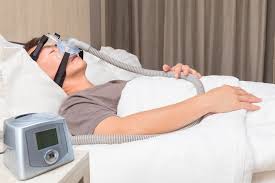
Finding the right CPAP mask is the single most important factor in sleep apnea therapy success, especially for Australians who predominantly sleep on their sides. If you are a side sleeper, you’ve likely experienced the frustration of a mask shifting against your pillow, causing high-pressure leaks and noisy air blasts that wake you (and your partner) up.
In 2026, the industry has shifted toward “tube-up” designs, which move the hose connection from the front of the face to the top of the head. This innovation offers unprecedented freedom of movement. This review compares the leading contenders—the ResMed AirFit P30i and the Philips DreamWear—to help you eliminate mask leaks and reclaim your sleep.
See more: From Fatigue to Fresh Mornings: Real Benefits of Using a CPAP Machine
What are “Tube-Up” CPAP Masks?
A tube-up CPAP mask features a connection point at the crown of the head rather than the bridge of the nose or the mouth. Air flows through a hollow, flexible frame to the cushion. This design is specifically engineered for active sleepers and side sleepers who find traditional front-facing hoses restrictive or prone to tangling.
Why Side Sleepers Struggle with Traditional Masks
Side sleepers face a unique challenge: the “pillow push.” When you lie on your side, the pillow applies lateral pressure to the mask frame. In traditional designs, this pressure easily breaks the silicone seal.
- Mask Leaks: The most common complaint among Australian CPAP users.
- Tube Drag: The weight of the hose pulling down on the mask.
- Limited Vision: Front-facing tubes block the line of sight for reading or wearing glasses.
In-Depth Review: Top 2026 “Tube-Up” Designs
1. ResMed AirFit P30i: The Stability King
The ResMed AirFit P30i remains a top-tier choice in 2026 due to its QuietAir™ vent technology and robust frame stability. It uses a nasal pillow cushion that sits just inside the nostrils, providing a secure seal even under high-pressure settings.
- Freedom of Movement: The 360-degree swivel at the top allows you to roll from left to right without the hose ever crossing your face.
- SpringFit Frame: Automatically adjusts to different face shapes, ensuring a snug but comfortable fit.
- Quiet Operation: One of the quietest masks on the market, crucial for light-sleeping partners.
2. Philips DreamWear Nasal: The Comfort Champion
The Philips DreamWear redefined the market with its “under-the-nose” nasal cradle. Unlike the P30i’s pillows, the DreamWear cushion rests gently under the nostrils without entering them, reducing irritation for those with sensitive skin.
- Unobstructed View: The minimalist design makes it feel like you aren’t wearing a mask at all.
- Modular Design: The DreamWear frame is unique because it is compatible with nasal, pillow, and full-face cushions.
- Soft Silicone: The frame is exceptionally pliable, conforming to the face when pressed against a pillow.
Comparison Table: AirFit P30i vs. DreamWear
| Feature | ResMed AirFit P30i | Philips DreamWear Nasal |
| Cushion Type | Nasal Pillows (Insertive) | Nasal Cradle (Under-nose) |
| Tube Connection | Top of Head (360° Swivel) | Top of Head (360° Swivel) |
| Noise Level | Ultra-Quiet (QuietAir Vent) | Standard Quiet |
| Field of Vision | Completely Open | Completely Open |
| Best For | High Pressure & Active Sleepers | Sensitive Skin & Claustrophobia |
Benefits of Switching to a Top-of-Head Design
Switching to a tube-up design provides several clinical and lifestyle benefits:
- Reduced Mask Leakage: Since the hose is at the top, there is no “lever effect” pulling the mask off your face when you move.
- Increased Compliance: Users are more likely to wear their mask all night if it doesn’t feel restrictive.
- Sleeping in Any Position: Whether you are on your side, back, or stomach, the air path remains clear.
- No “Hose Tangle”: Ideal for those who move frequently throughout the night.
How to Choose the Right Size for Your Face
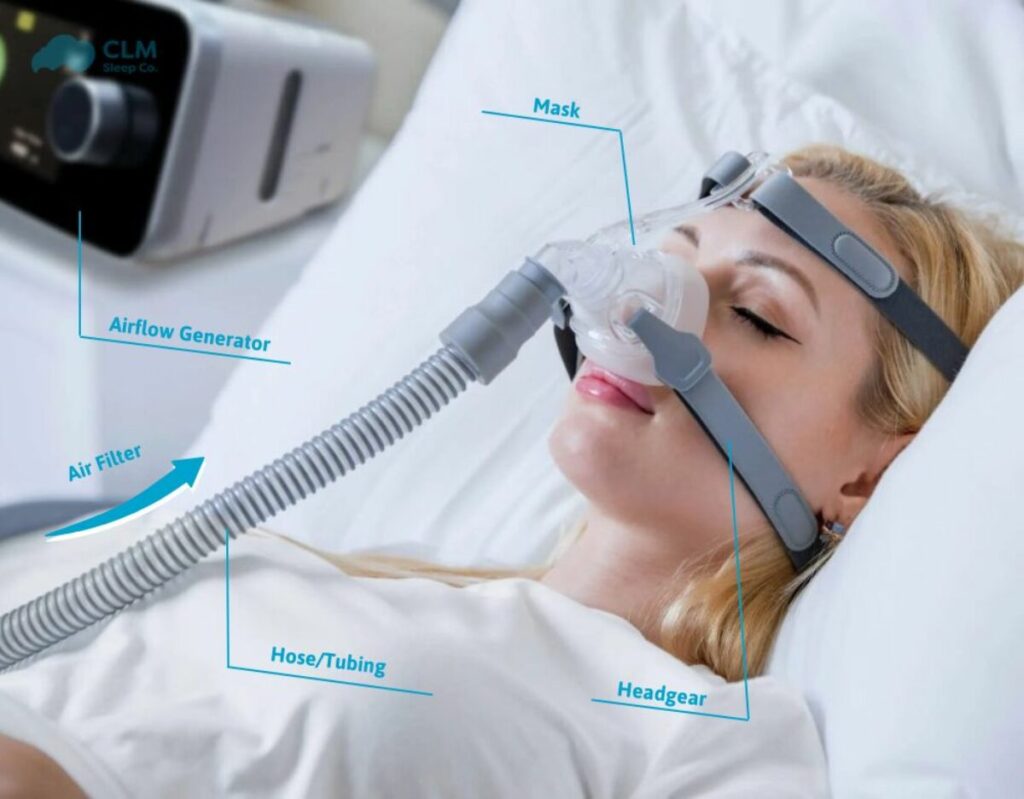
A common mistake is assuming “one size fits all.” Most Australian retailers offer Fit Packs which include multiple cushion sizes (Small, Medium, Large).
Step-by-Step Fitting Framework
- Select the Frame: Most people fit a “Standard” frame, but “Small” frames are available for narrower faces.
- Test the Cushion: Ensure the nasal pillows or cradle sit flush against the nose without pinching.
- Adjust the Headgear: Tighten the velcro straps until the mask is secure, but not digging into your skin.
- The “Lying Down” Test: Always test the seal while lying on your side, as your facial contours change when horizontal.
Common Mistakes to Avoid
- Overtightening the Straps: This actually causes more leaks by deforming the silicone seal.
- Ignoring the “For Her” Versions: Brands like ResMed offer smaller, specifically contoured versions for female users.
- Using Old Cushions: In the Australian climate, facial oils break down silicone quickly. Replace cushions every 3–6 months for optimal sealing.
Best Practices for Maintaining Your CPAP Mask
- Daily Cleaning: Wipe the cushion every morning with a CPAP wipe to remove skin oils.
- Weekly Wash: Soak the frame and headgear in warm, soapy water (use mild, fragrance-free detergent).
- Dry Away from Sunlight: UV rays can make the “tube-up” frame brittle over time.
Pro Tip: If you still experience minor leaks, consider using a CPAP-specific pillow with cut-outs. These are designed to provide space for the mask frame, further reducing the risk of the seal breaking.
Frequently Asked Questions (FAQ)
Which is better for side sleepers, the P30i or the DreamWear?
The AirFit P30i is generally better for active side sleepers who need a more “locked-in” feel. The DreamWear is superior for those who find nasal pillows (that go inside the nose) uncomfortable.
Can I use a tube-up mask with any CPAP machine?
Yes. Both the ResMed and Philips tube-up masks use standard 22mm connections, making them compatible with almost all machines, including the ResMed AirSense 11 and Fisher & Paykel SleepStyle.
Do top-of-head masks make more noise?
While the air travels past your ears, modern designs like the P30i use advanced venting to ensure the sound is a faint “white noise” rather than a disruptive hiss.
What if I breathe through my mouth?
If you are a mouth breather, a nasal mask like the P30i or DreamWear may not work unless you use a chin strap. Alternatively, look for the AirFit F30i, which is a “tube-up” full-face mask.
Are these masks available in Australia?
Yes, they are widely available through Australian CPAP clinics and online retailers. Ensure you purchase from an authorized dealer for local warranty support.
Conclusion: Reclaiming Restorative Sleep
For side sleepers in 2026, the ResMed AirFit P30i and Philips DreamWear represent the pinnacle of CPAP comfort. By moving the hose connection to the top of the head, these masks eliminate the most common causes of therapy failure: mask leaks and restricted movement.
The AirFit P30i offers unmatched stability for those who toss and turn, while the DreamWear provides a minimalist, weightless experience. Choosing either will significantly improve your sleep quality and long-term health outcomes.
Internal Linking Suggestions:
- How to choose the right CPAP machine for 2026
- The ultimate guide to cleaning your CPAP equipment
- Managing dry mouth during CPAP therapy
Authoritative External References:
- The Sleep Health Foundation (Australia)
- National Healthy Sleep Awareness Project