
This guide shares questions worth asking a glaucoma specialist at your first visit so they can understand the diagnosis, the risk to vision, and the treatment options available in Australia.
What should they bring to the first appointment?
They should bring their Medicare card, private health details (if they have it), a list of current medications, and any previous eye reports from an optometrist or ophthalmologist. It helps to bring details of other conditions like diabetes, migraine, sleep apnoea, or high blood pressure.
They should also bring their latest glasses and be ready for dilating drops, which can affect driving. This is one of the most practical questions worth asking a glaucoma specialist at your first visit because it shapes the day.
What type of glaucoma do they suspect, and what does that mean?
They should ask the specialist to name the likely type, such as primary open-angle glaucoma, angle-closure glaucoma, normal-tension glaucoma, pigmentary glaucoma, or secondary glaucoma from steroids or injury. The type affects urgency, treatment choice, and follow-up frequency.
They can ask what the specialist saw in the optic nerve and whether the angles looked narrow. Knowing the “why” behind the diagnosis is central to questions worth asking a glaucoma specialist at your first visit.
How certain is the diagnosis right now?
They should ask whether it is definite glaucoma, suspected glaucoma, or ocular hypertension. Early on, a specialist may need repeat tests to confirm change over time rather than relying on one snapshot.
They can ask what evidence supports the diagnosis today, such as optic nerve changes, OCT thinning, or repeatable visual field loss. Clarity here prevents over-treatment and under-treatment, making it one of the key questions worth asking a glaucoma specialist at your first visit.
What tests will they do today, and what will each test show?
They should ask for a quick explanation of each test, such as tonometry for eye pressure, pachymetry for corneal thickness, gonioscopy for drainage angle assessment, OCT for optic nerve and retinal nerve fibre layer, and visual field testing for functional vision loss.
They can also ask whether optic nerve photos will be taken for future comparison. Understanding tests is one of the most empowering questions worth asking a glaucoma specialist at your first visit.
What is their eye pressure, and what is the target pressure?
They should ask for the current intraocular pressure (IOP) reading in each eye and whether it is typical for them. Then they should ask what “target pressure” the specialist wants and how that number was chosen.
Target pressure depends on nerve appearance, field results, age, and risk factors. This belongs near the top of questions worth asking a glaucoma specialist at your first visit because it defines success.
How does corneal thickness affect their pressure readings?
They should ask whether corneal thickness is making pressure appear higher or lower than it truly is. A thinner cornea can underestimate IOP, and a thicker cornea can overestimate it.
They can ask how corneal thickness affects their risk profile and target pressure. This is a technical detail, but it can influence treatment decisions, so it fits well among questions worth asking a glaucoma specialist at your first visit.
What do the optic nerve and OCT results show right now?
They should ask what the specialist sees in the optic nerve, including cup-to-disc ratio, rim thinning, notching, disc haemorrhages, or asymmetry between eyes. They should also ask what the OCT indicates and whether the results look stable or concerning.
They can ask for simple language, like “mild, moderate, or advanced.” This is one of the most important questions worth asking a glaucoma specialist at your first visit.
What do the visual field results mean for daily life?
They should ask whether any visual field loss is present and where it sits, such as peripheral, arcuate, or central involvement. Many people feel fine even with early loss, so linking results to real-world function matters.
They can ask about driving standards in Australia and whether any restrictions apply. This is a practical addition to questions worth asking a glaucoma specialist at your first visit.
How fast might it progress, and what affects their risk?
They should ask for an honest estimate of progression risk and what factors push risk up or down. Risk factors can include higher pressures, family history, thin corneas, disc haemorrhages, pseudoexfoliation, and poor drop adherence.
They can ask whether their age and general health change the management approach. Risk and pace are core questions worth asking a glaucoma specialist at your first visit.
Should they tell family members to get checked?
They should ask if first-degree relatives should have regular checks with an optometrist, especially in Australia where many people have accessible community optometry. A family history can raise risk, particularly for primary open-angle glaucoma.
They can ask what age relatives should start and how often they should go. This preventive angle is often missed, yet it belongs on any list of questions worth asking a glaucoma specialist at your first visit.
What are the treatment options, and what is recommended first?
They should ask what the first-line plan is: observation, eye drops, laser (often selective laser trabeculoplasty), or surgery. The specialist should explain why one path suits their severity, eye anatomy, and lifestyle.
They can ask what happens if the first option does not reach target pressure. Treatment choice sits at the heart of questions worth asking a glaucoma specialist at your first visit.
If eye drops are prescribed, which one and why?
They should ask the name of the drop, how it works, how often it is used, and how quickly it should lower pressure. They should ask about common side effects such as red eyes, stinging, darkening of iris or lashes, shortness of breath, low pulse, or fatigue depending on the drug class.
They can ask how drops interact with asthma, heart conditions, or other medicines. This is one of the most actionable questions worth asking a glaucoma specialist at your first visit.
How should they use drops correctly to get the best result?
They should ask for a quick demonstration and confirm timing, technique, and spacing between multiple drops. They can ask about punctal occlusion (closing the tear duct) to reduce systemic absorption and side effects.
They should also ask what to do if they miss a dose or run out. Good technique prevents false “treatment failure,” so it is vital in questions worth asking a glaucoma specialist at your first visit.
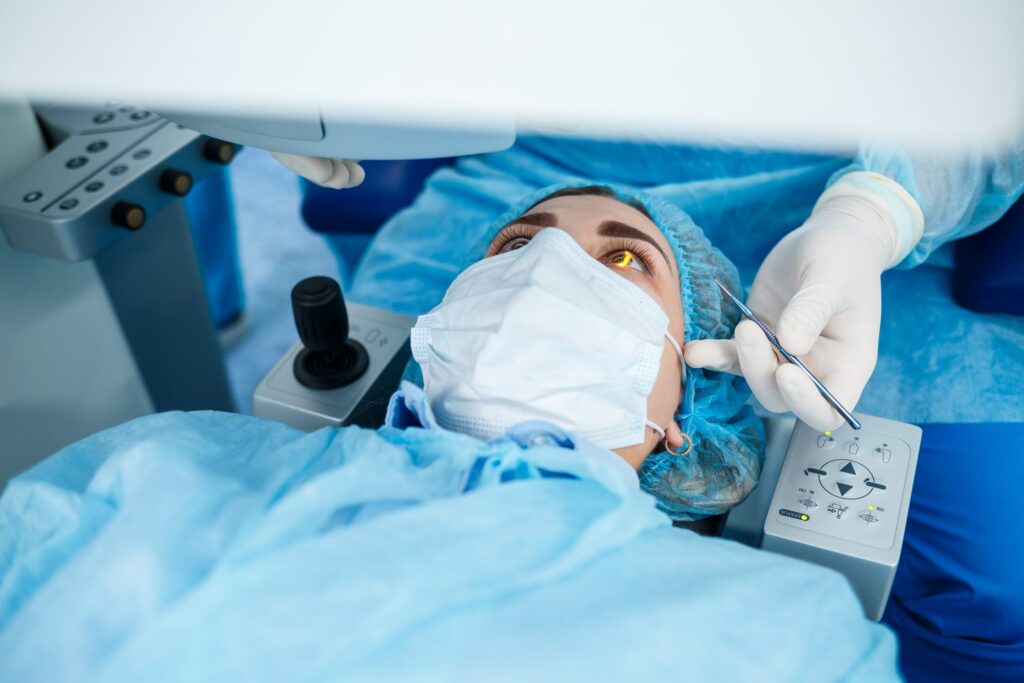
Is laser treatment an option now, and what are the pros and cons?
They should ask whether selective laser trabeculoplasty (SLT) suits their type of glaucoma and whether it could be used as first-line treatment. SLT can reduce reliance on daily drops for some people, though results vary and may wear off over time.
They can ask what the procedure feels like, typical recovery, and expected pressure reduction. Laser belongs among questions worth asking a glaucoma specialist at your first visit.
When would surgery be considered, and what type would they recommend?
They should ask what surgical pathways might apply if drops and laser do not reach target pressure, such as trabeculectomy, glaucoma drainage devices, or minimally invasive glaucoma surgery (MIGS). The right choice depends on severity, lens status, and anatomy.
They can ask about the expected benefit, potential risks, recovery time, and follow-up requirements. Glaucoma surgery planning is an important part of the discussion and can help structure the questions worth asking a glaucoma specialist at the first visit.
How will cataracts and glaucoma be managed together?
They should ask whether cataracts are present and if cataract surgery might help reduce pressure, particularly in angle-closure risk. They can ask if combined cataract and glaucoma surgery is appropriate, or if staging procedures makes more sense.
They should also ask how glaucoma affects lens choice and post-op pressure monitoring. This combined planning deserves a place in questions worth asking a glaucoma specialist at your first visit.
What follow-up schedule do they need, and what happens at each visit?
They should ask how often they will be reviewed and which tests will be repeated, such as pressures, optic nerve checks, OCT, and visual fields. Early visits may be closer together while the specialist confirms response to treatment.
They can ask what would trigger an earlier review, like symptoms, side effects, or a pressure spike. Follow-up is central to questions worth asking a glaucoma specialist at your first visit.
What warning signs mean they should seek urgent help?
They should ask which symptoms require urgent review, especially for angle-closure risk. Red flags can include sudden eye pain, headache, nausea, halos around lights, rapid vision change, or a very red eye.
They can ask where to go after hours in their city, such as a major public hospital emergency department with ophthalmology support. This is one of the most protective questions worth asking a glaucoma specialist at your first visit.
How will treatment costs work in Australia?
They should ask about likely out-of-pocket costs for consultations, testing, laser, and surgery, and whether the clinic bills Medicare directly. If they have private health insurance, they should ask what is typically covered and what gaps to expect.
They can ask about PBS-listed drops, generic options, and whether authority scripts apply. Money clarity reduces stress, so it fits within questions worth asking a glaucoma specialist at your first visit.
How can they make sure results are shared with their optometrist and GP?
They should ask whether letters will be sent to their optometrist and GP, and how quickly. Shared care is common in Australia, and many people see their optometrist for routine monitoring between specialist reviews.
They can ask what to tell the optometrist to ensure pressures and optic nerve checks are consistent. Coordination is one of the underrated questions worth asking a glaucoma specialist at your first visit.
What lifestyle changes actually help, and what is a myth?
They should ask what the evidence supports, rather than relying on internet advice. The specialist may discuss exercise, sleep, medication timing, and avoiding steroid overuse without supervision.
They can ask about supplements, caffeine, yoga inversions, and smoking, and whether any of these matter for their specific case. Practical guidance belongs in questions worth asking a glaucoma specialist at your first visit because it influences daily decisions.
What is the plan if their pressure is controlled but the disease still progresses?
They should ask how progression is defined, such as change on OCT, repeatable field loss, or optic nerve changes. Some people progress even with “normal” pressure, so the plan may involve a lower target pressure and more aggressive therapy.
They can ask how quickly changes need to appear before treatment is escalated. This is a grounding final item in questions worth asking a glaucoma specialist at your first visit.
What should they write down before they leave?
They should ask for a simple summary: diagnosis status, current pressures, target pressure, treatment steps, when to start drops, and the next appointment date. They can also ask for a printed instruction sheet for drop timing and side effects.
If they feel overwhelmed, they should ask permission to record the plan on their phone. Clear takeaways make questions worth asking a glaucoma specialist at your first visit genuinely useful.
FAQs (Frequently Asked Questions)
What should I bring to my first glaucoma appointment in Australia?
Bring your Medicare card, private health details if available, a list of current medications, any previous eye reports from optometrists or ophthalmologists, details of other health conditions like diabetes or high blood pressure, your latest glasses, and be prepared for dilating drops which may affect driving.
How do I understand the type of glaucoma suspected during my first visit?
Ask the specialist to name the likely type such as primary open-angle glaucoma, angle-closure glaucoma, or others. Understanding the type helps clarify urgency, treatment options, and follow-up frequency. Also inquire about what was observed in the optic nerve and drainage angles.
How certain is my glaucoma diagnosis at this stage?
Discuss whether the diagnosis is definite glaucoma, suspected glaucoma, or ocular hypertension. Early on, repeat tests may be needed to confirm changes over time. Ask what evidence supports the diagnosis today like optic nerve changes or visual field loss to avoid over-treatment or under-treatment.
What tests will be performed during my first glaucoma appointment and what do they show?
Tests may include tonometry for eye pressure measurement, pachymetry for corneal thickness, gonioscopy for drainage angle assessment, OCT imaging for optic nerve evaluation, and visual field testing for functional vision loss. Ask for explanations of each test and whether optic nerve photos will be taken for future comparison.
What is my current eye pressure and target pressure?
Request your intraocular pressure (IOP) readings in each eye and whether these are typical for you. Ask what target pressure the specialist aims for and how it was determined based on nerve appearance, visual fields, age, and risk factors. This target defines treatment success.
How does corneal thickness affect my eye pressure readings and risk profile?
Corneal thickness can influence IOP readings; thinner corneas may underestimate pressure while thicker corneas can overestimate it. Ask how your corneal thickness affects your risk of progression and if it alters your target pressure or treatment plan.