
A sleep test in Sydney may be a home breathing assessment or an overnight laboratory study, depending on your symptoms and medical history. Start with a GP, who can assess whether testing is needed and provide a referral. Compare providers on test suitability, fees, waiting time and who explains your results.
Searching for a sleep test in Sydney can bring up a confusing mix of home kits, sleep laboratories, hospital clinics and equipment suppliers. They do not all offer the same service. Before booking, know what your GP is trying to investigate and whether the provider can perform that type of test. A convenient location matters, but so do clinical oversight and a transparent quote.
When is a sleep test worth discussing?
Talk to your GP if you regularly snore, wake choking, feel unrefreshed despite enough time in bed, or struggle to stay alert during the day. A partner’s account of breathing pauses can be useful, as can a record of headaches, naps and concentration problems.
A Sleep Test Sydney is not a generic check-up for every tired person. Stress, shift work, pain, medication effects and other conditions can also disrupt sleep. Your GP may assess those factors first, then decide whether a sleep physician or formal recording is appropriate. If symptoms are affecting driving or a safety-sensitive role, explain that clearly at the appointment.
Sydney’s commute and work patterns can muddy the picture. A person travelling from Penrith before dawn, working rotating shifts at the airport, or finishing late in the CBD may feel exhausted for reasons beyond a breathing disorder. The pattern and timing of sleep help distinguish possible causes.
How do you arrange a Sydney sleep test?
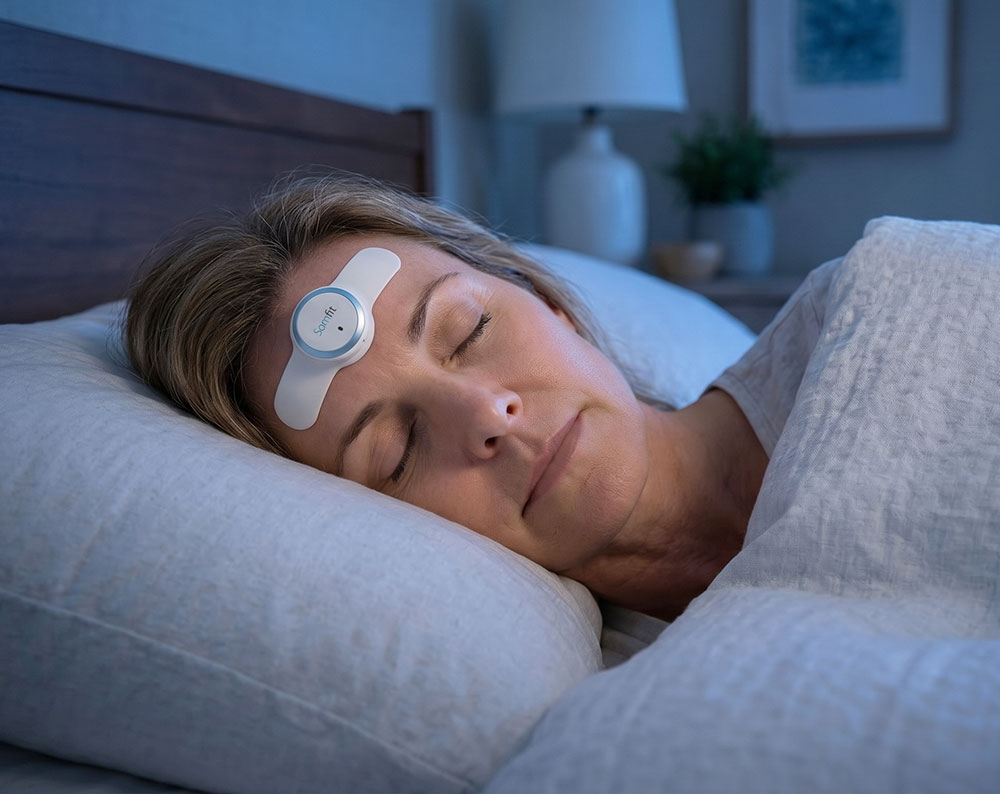
Make a GP appointment, describe your symptoms and ask whether a referral is appropriate. The referral should give the provider enough clinical context to select or triage the test. Ask your GP to note relevant health conditions, medicines, work hours and any previous sleep testing.
Once referred, contact more than one clinic if you want to compare availability and fees. Ask whether it accepts your referral, what exact test it will perform, whether a sleep physician reviews the data, and when the report is sent to your GP. A nearby practice may offer only home testing, while a hospital service may provide laboratory studies.
If the clinic requests extra information, ask for the request in writing and forward it to your GP. Keep a copy of the referral and booking confirmation. Confirm the referral is still valid for the appointment date, and check whether Medicare billing requires particular referral details.
Home test or sleep clinic in Sydney?
A home test lets you record breathing signals in your own bed and avoids an overnight trip, while a sleep clinic can collect more detailed signals under supervision. The home option is often suitable for likely uncomplicated sleep apnoea, but a doctor should decide if it fits.
Home devices commonly include a nasal airflow sensor, chest belt and finger oxygen monitor. They do not usually capture the full brain-wave information available in a laboratory. A lab study may be needed for complex heart or lung conditions, suspected disorders beyond sleep apnoea, or an unclear home result.
For a home kit, ask how it is delivered and returned, who provides technical support and whether repeat testing is charged. For a lab night, ask about arrival time, parking, public transport and whether you can work the next morning. Sydney traffic, rail disruptions and long cross-city journeys can turn an otherwise simple appointment into a logistical headache.
What should you ask about the cost?
Ask for the full out-of-pocket estimate, not just the cost of the equipment or first appointment. The quote should state whether the study, report, review, courier and follow-up are included and whether the clinic bulk bills your particular referral.
Medicare rebates and provider fees can vary with the service and current eligibility rules. A clinic may bulk bill one study type and charge a gap for another. Public hospital pathways may have no direct fee for eligible patients, though waiting times and referral criteria vary. Your GP can help compare urgency and affordability without promising a particular wait.
If the quote is unclear, ask the clinic to itemise it. Check with your private insurer directly before relying on cover. Keep receipts and written estimates so you can compare like with like rather than choosing from a low advertised figure that excludes interpretation.
How do you prepare for the test?
Follow the clinic’s instructions and keep your routine as close to normal as possible. Bring your referral, identification, medication list and comfortable sleepwear for a lab study. For a home test, read the device guide before bedtime and make sure the recorder is charged.
Do not stop prescribed medication, deliberately change your sleep position or use alcohol to fall asleep unless your clinician specifically advises it. Tell the clinic if you have a cold, hay fever, unusual roster or a very hot bedroom, because these can affect comfort and the representativeness of the night.
If a sensor comes loose, use the provider’s instructions or contact its support line. Do not improvise with the equipment. A technical issue is common and can often be fixed, but reporting it helps the reviewer judge whether enough data was recorded.
What happens after your sleep test?
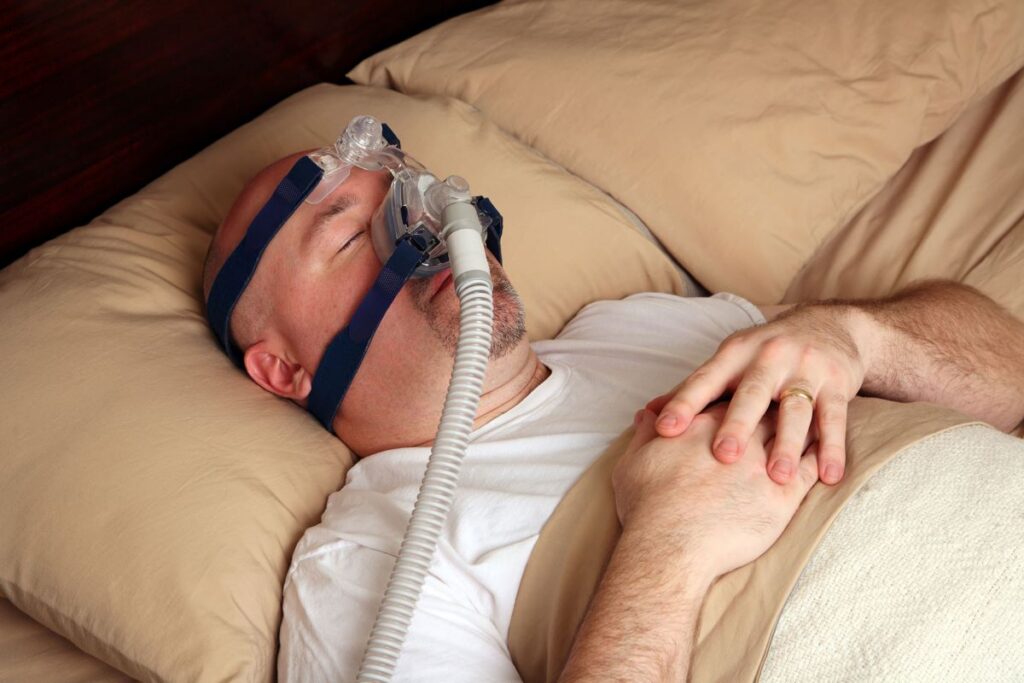
A sleep physician interprets the recording and sends a report to the referring clinician. Your GP or specialist should explain the result, whether the test was conclusive and whether treatment or further investigation is appropriate.
If the study identifies sleep apnoea, treatment can include CPAP, an oral appliance or other approaches depending on the clinical findings. If it is negative but symptoms continue, ask what else could be causing them and whether a different test is warranted. Do not assume a single normal home recording rules out every sleep disorder.
Write down questions before your results appointment: what did the test show, what do the key measures mean for me, and what should I do next? A clear plan is more useful than a report full of abbreviations.
Choosing a provider across Sydney
Choose a provider that explains its process plainly and gives you a complete quote before you commit. Check that its service matches the referral, its clinical reviewer is identified, and it has a route for questions if the device or booking goes wrong.
Location can make the difference between a manageable and a punishing appointment. Patients in Marrickville or Newtown may prioritise rail access; people in Liverpool, Blacktown or Castle Hill may prefer a Western Sydney service; those on the Northern Beaches may need to plan around bridge traffic. For a home test, delivery and return arrangements may matter more than clinic distance.
For a local overview, read the Western Sydney sleep study information sheet. For research context on sleep and circadian rhythms, explore UNSW’s respiratory and sleep research group. A good test starts with the right question and ends with a clinician explaining what the findings mean.
