A sleep study in Australia records breathing, oxygen levels, heart rhythm and, for a full laboratory test, brain activity while you sleep. A GP referral is usually needed for Medicare-supported testing. Your doctor recommends a home or lab study based on your symptoms, health history and the question the test needs to answer.
If you have been told you snore, wake gasping, or feel unusually sleepy during the day, a sleep study can help explain why. The process is less daunting once you know what happens before, during and after the test. In Sydney, you may have access to public hospital services, private clinics and home testing, but the right option depends on your clinical needs, budget and waiting time. This guide covers the practical decisions without pretending every provider works the same way.
When should you ask about a sleep study?
Ask your GP about a Sleep Study Australia when symptoms persist, affect daily life or suggest breathing interruptions during sleep. Loud habitual snoring, witnessed pauses, morning headaches and daytime sleepiness are useful details to share, especially if you also have high blood pressure or a safety-sensitive job.
Sleepiness has many possible causes, so an overnight test is not automatically the first step. Your GP may ask about work rosters, medicines, alcohol, mood, pain and other health conditions. A short sleep diary can help show whether the problem follows a pattern. Record bedtimes, wake times, naps, caffeine and how alert you feel during the day.
For people in Sydney, mention practical factors too. A rotating roster near the airport or freight corridor, long commutes from the west, or a bedroom that becomes very hot in summer can affect sleep. Those details help your clinician interpret symptoms rather than treating a test result in isolation.

How do you get a referral in Australia?
Book an appointment with your GP and explain what you experience, how often it happens and how it affects you. If a study is appropriate, the referral should describe the clinical reason and identify the type of assessment requested.
Bring any observations from a partner, previous test reports and a medication list. If you have nearly fallen asleep at the wheel or at work, say so plainly. A GP may use a screening questionnaire, but a questionnaire alone does not diagnose a sleep disorder. The doctor decides whether to refer you to a sleep physician or testing service.
A referral can also help determine Medicare eligibility, but fees and rebates depend on current rules, the test item and the provider’s billing policy. Confirm the referral is accepted before booking. If the service asks for additional information, take the request back to your GP rather than guessing which details are missing.
Home study or laboratory study: which is right?
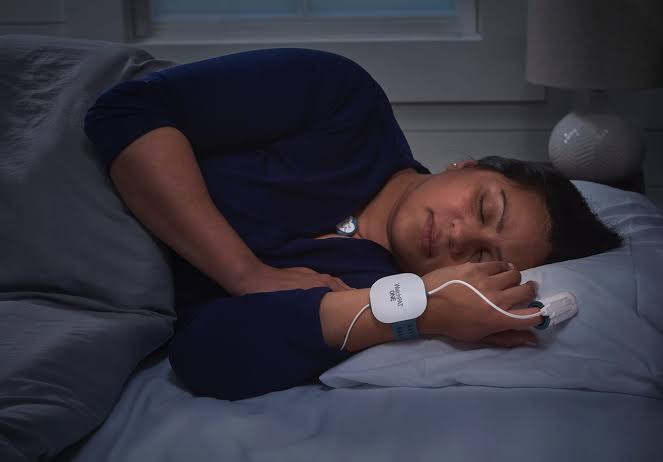
A home sleep study is convenient and records a limited set of signals in your usual bed, while a laboratory study records more information under supervision. A home test may suit an adult with likely uncomplicated obstructive sleep apnoea; complex symptoms or medical conditions may call for a lab assessment.
A home device commonly measures airflow, breathing effort, oxygen saturation and pulse. It may not measure brain waves, so it cannot directly confirm sleep stages or precisely distinguish time asleep from time in bed. Lab polysomnography uses additional sensors and a technician, and can help when a home result is inconclusive or another sleep disorder is suspected.
Neither format is automatically best. Your doctor should explain why the recommended test matches your symptoms. If you live in Penrith, Parramatta or the Northern Beaches, a home kit may reduce travel, but convenience should not override clinical suitability. Ask who interprets the recording and what follow-up is included.
What happens during the test?
For a home study, the provider explains how to place the sensors, when to start the recorder and how to return the equipment. For a lab study, you arrive in the evening, meet the technician and have sensors attached before going to bed.
The equipment can feel unusual, but it should not be painful. Tell the technician if a sensor pulls or irritates your skin. At home, follow the instructions carefully and contact the provider if the device faults or a sensor will not stay in place. Do not change prescribed medicines unless your clinician tells you to.
Try to follow your usual sleep pattern. If you work nights, tell the clinic when you normally sleep and ask whether the booking can be arranged around your roster. The point is to capture a useful night, not to force an unnatural schedule.
What can the results tell you?
A sleep physician reviews the recording and prepares a report for the referring clinician. The report may describe breathing events, oxygen changes, sleep stages, arousals and movement, depending on the test type. The numbers need clinical context; a single index is not the whole diagnosis.
Your GP or sleep specialist should explain what was found, whether the recording was adequate and what happens next. If the result is borderline or conflicts with strong symptoms, the clinician may recommend another test. That does not mean you did anything wrong. A repeat or more detailed study can be the safest way to answer an unresolved question.
If obstructive sleep apnoea is confirmed, options may include positive airway pressure, an oral appliance, positional approaches or other treatment. The appropriate plan depends on severity, anatomy, preferences and other health needs. Do not buy a device or change treatment based only on an online report.
How do costs and Medicare work?
There is no single national out-of-pocket price for a sleep study. Public hospital pathways may involve no direct charge for eligible patients but can have longer waits; private providers set fees and may charge above a Medicare rebate. Some bulk bill eligible studies, while others bill parts of the episode separately.
Ask for a written estimate covering the test, equipment, interpretation, follow-up and any delivery or return charges. Confirm whether the quote assumes a valid referral and whether your specific study is bulk billed. If you have private health cover, ask the insurer whether the policy applies; do not assume an extras benefit covers every test.
For reliable background on symptoms and diagnosis, read the Australian Government’s Medicare guidance for sleep disorder testing. For sleep research and clinical education context, see the University of Sydney’s sleep research theme.
How can Sydney patients choose a provider?
Compare providers on clinical fit, wait time, total cost and how results are explained, not on a headline price alone. Ask which study the referral calls for, whether the clinic accepts it, who reads the results and how quickly the report returns to your GP.
Look beyond postcode. A clinic near Central Station may be easier for one person, while a Western Sydney provider is more practical for someone travelling from Blacktown or Liverpool. If you are booked for an in-lab night, check arrival time, transport home and whether an early work shift would make the next morning unsafe.
The best sleep study is the one that answers the medical question and leads to a clear next step. Keep the referral and quote together, write down questions, and ask for clarification before booking if any part of the process is unclear.